A crown on the same day: is it really possible?
Yes, in some situations. CAD/CAM (computer-aided design and manufacturing) makes it possible to take a digital impression, design the crown on a computer and then mill it from a block of ceramic with a milling unit in the practice. When the tooth is suitable, the whole process can be completed in one appointment, with no temporary crown and no second impression visit.
It is not a rule, though. Whether a crown can be fitted the same day depends on the condition of the tooth and gum, where the preparation margin lies and which material is best. The right workflow is the one that gives the most accurate and long-lasting crown, not necessarily the fastest one.
Step by step: a chairside CAD/CAM crown
A typical appointment looks like this:
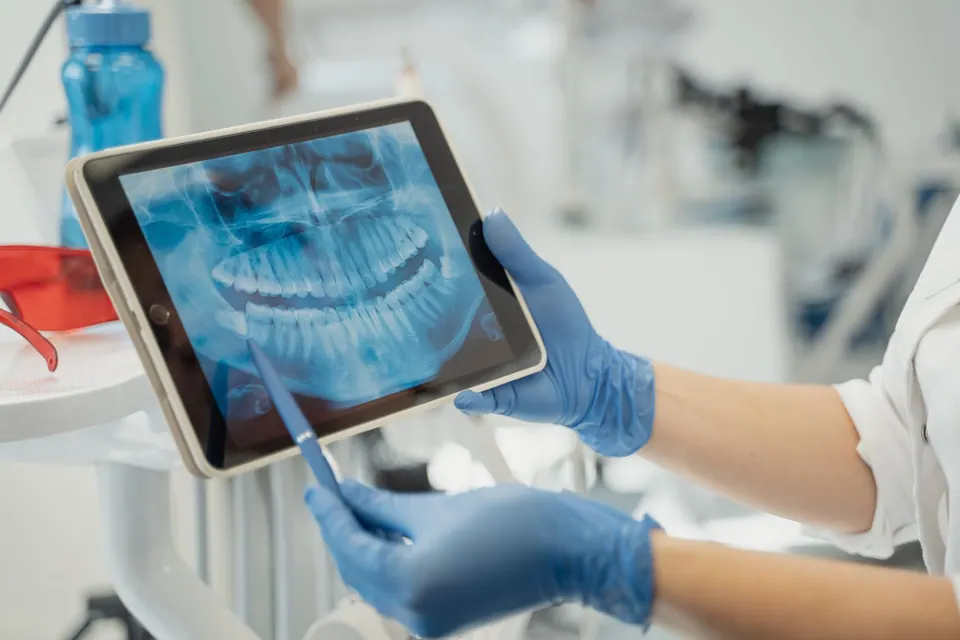
- Examination and anaesthetic: the dentist checks the tooth, the X-ray and your bite, then numbs the area.
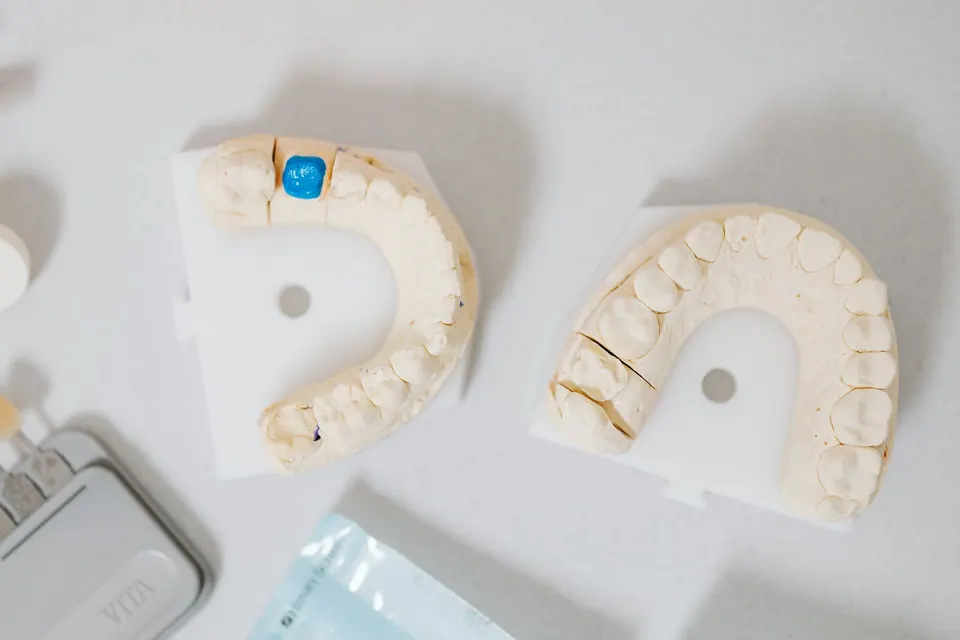
- Preparation: the tooth is shaped to leave enough room for the ceramic. Weak old fillings or decay are removed and a core build-up is placed if needed.
- Digital impression: an intraoral scanner records the prepared tooth, its neighbours and the opposing arch.
- Design: the software proposes a shape based on the anatomy of the neighbouring teeth; the dentist refines the contacts with adjacent teeth, the fit with the opposing tooth and the profile near the gum.
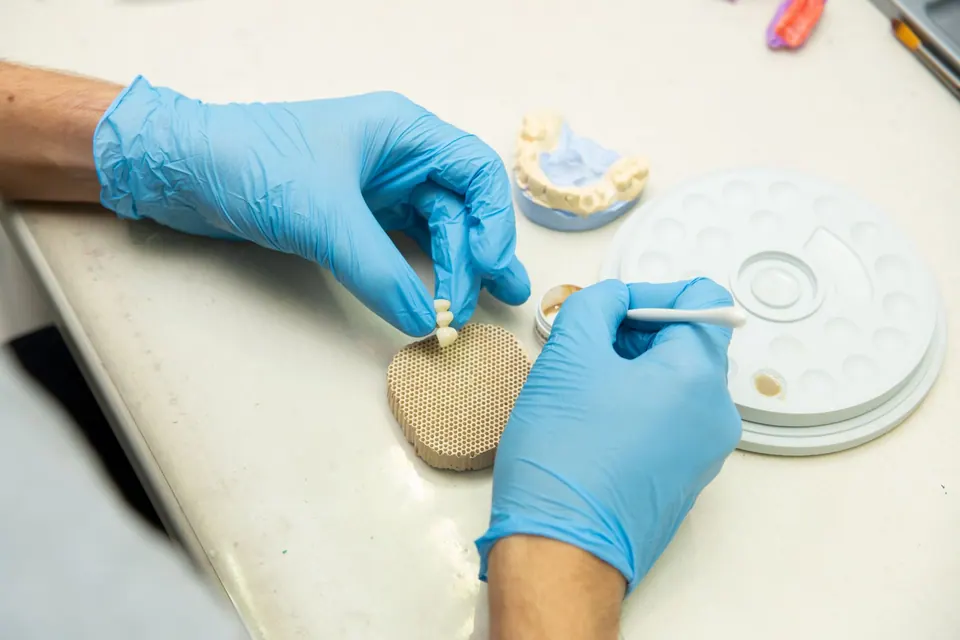
- Milling: the unit mills the crown from an industrially made ceramic block. This usually takes from a few minutes to around half an hour depending on size and material.
- Finishing: try-in, adjustments, polishing or glazing, and for some materials a crystallisation firing that gives them their final strength and shade.
- Bonding: the crown is bonded or cemented depending on the material, with the area carefully kept dry, and your bite is checked one last time.
In general, plan for an appointment of several hours, with breaks while the crown is milled.
Which materials can be milled in the practice?
CAD/CAM blocks are manufactured industrially, which gives them a uniform structure without air bubbles. The main families are:
- Lithium disilicate glass ceramic: a good balance of strength and translucency, often chosen for premolars and some molars. It is bonded to the tooth.
- Zirconia: very strong, useful where chewing forces are high or space is limited. Multilayer zirconias improve its appearance. It requires a sintering step, which does not suit every chairside workflow.
- Feldspathic ceramics: highly aesthetic, kept for specific indications such as some veneers or inlays.
- Hybrid ceramics and millable composites: more forgiving and easy to repair, used for some inlays, onlays or long-term temporaries.
The choice depends on the position of the tooth, the available thickness, your habits (especially tooth grinding) and the look you want. We explain these differences in our article e.max or zirconia: which material to choose.
When a single visit is not possible
Being honest about the limits is part of good treatment. Several situations call for more than one appointment:
- The tooth needs treatment first: an infection, an unfinished root canal or a deep fracture come before the crown.
- The gum is inflamed or bleeding: the scanner records a wet area poorly, and inflamed gum changes shape as it heals. It is better to treat it first.
- The margin is very deep under the gum: the gum may need to be retracted for longer, or a minor surgical procedure may be needed to expose an accessible margin.
- Front teeth with high aesthetic demands: to reproduce translucency and fine characterisation, a crown layered by hand in a dental laboratory is sometimes preferable.
- Extensive work: multi-unit bridges, changes to the height of your bite, rebuilding a whole arch. Temporaries are often used first to test shape and comfort.
- Some implant crowns, depending on the implant system and the healing time.
In these cases CAD/CAM is still useful, but treatment is spread over several visits.
Advantages and limits of a CAD/CAM crown
The benefits for patients:
- fewer appointments and often a single anaesthetic;
- no temporary crown that might come loose or let bacteria in;
- no impression putty;
- a uniform industrial material with well-known properties;
- the chance to see the design on screen and understand the choices made.
The limits to keep in mind:
- the appointment is long, which can be tiring, especially if you find it hard to keep your mouth open;
- the shade of a block is more uniform than a ceramic layered by hand, which matters most for a single front tooth;
- the fit depends on the quality of the preparation and the scan, as with any crown.
In terms of durability, a milled crown that is well indicated, properly bonded and well looked after compares well with a laboratory crown. Quality depends more on choosing the right indication than on where the crown is made.
After the crown: care and questions to ask
Once the anaesthetic wears off, the tooth may be slightly sensitive to cold or chewing for a few days. If the crown feels high, meaning it touches before your other teeth when you bite, let the practice know promptly: a quick adjustment prevents pain or a fracture.
You brush a crown just like a natural tooth. The weak point is not the ceramic but the junction with the tooth, where decay can start if plaque builds up, so interdental brushes or floss are essential. If you clench or grind, a night guard can protect the restoration.
Useful questions before you decide:
- Is my tooth suitable for a crown fitted in one visit?
- Which material do you recommend, and why for this tooth?
- Will the crown be bonded or cemented?
- What happens if it needs adjusting after it is fitted?
For a full overview of steps and materials, see also dental crowns: steps and materials.
CAD/CAM at German Dental Clinic in Agdal
Dr Fenjero Walid's practice has an intraoral scanner and an in-house milling unit (CAD/CAM) that allows certain restorations to be made on site. At your consultation, the dentist examines the tooth, reviews the X-ray and tells you whether a dental crown in a single visit is realistic in your case, or whether a staged approach would be better.
If you live in Rabat and are worried about a weakened tooth or an old crown, you can book an appointment for an assessment and a clearly explained treatment plan.
Frequently asked questions
Is a crown made in one visit less strong?
Not necessarily. The ceramic blocks used in CAD/CAM are industrially manufactured and have a uniform structure. Their strength depends mainly on the material chosen, the thickness the preparation allows and the quality of the bonding. A crown milled in the practice, used for the right indication and well maintained, performs comparably to a laboratory crown.
How long does the appointment take?
You should generally plan for a session of several hours, covering tooth preparation, the digital impression, design, milling and finishing. Part of that time is milling and finishing, when you can rest in the waiting area or the chair. The exact length depends on the tooth and the material used.
Can a CAD/CAM crown be placed on a root-filled tooth?
Yes, provided the root canal treatment is complete and healthy and enough tooth structure remains. Root-filled teeth are often more fragile, so the dentist assesses whether a core build-up, sometimes with a post, is needed first. In some cases a bonded onlay is a more conservative alternative to a full crown.
Will the colour match my other teeth?
Blocks come in many shades, and some have a natural gradient from the neck of the tooth to the edge. On a molar or premolar the result usually blends in very well. For a single front tooth, where the slightest difference shows, a laboratory-layered ceramic is sometimes the better choice. Your dentist will advise you.
Can veneers and inlays also be made in one visit?
Inlays and onlays lend themselves well to chairside production, as they are small pieces on back teeth. Veneers are possible in some cases, but aesthetic treatment of front teeth often involves a mock-up and a trial stage first, which justifies several appointments and gives you time to approve the result.
The information on this page is general. Only a consultation allows a diagnosis and a suitable treatment plan.